
Making a Murderer: Oh-So-Many Talking Points
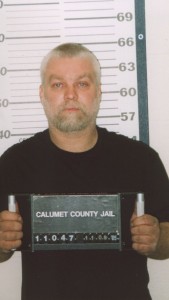 As the winter break winds down, it’s definitely worth your time to start binge-watching Making a Murderer, a recent Netflix documentary on a real-life criminal case. A very close-to-home criminal case, at that.
The documentary, filmed over 10 years, follows Steven Avery, who was convicted in 1985 of sexual assault. He maintained his innocence and, indeed, 18 years later DNA evidence exonerated him. After he was released, he sued Manitowoc County for his wrongful conviction. It looks as though that lawsuit starts digging up some very unsavory conduct among officials in Manitowoc County.
But then—Avery is arrested for the murder of photographer Teresa Halbach. Several months later, his nephew Brendan Dassey is also arrested.
I’ll stop there with plot. If you’ve been around Wisconsin, you’ve probably heard of the case. If you’ve been on the Internet in the last couple of weeks, you’ve almost surely heard of it. But you must watch it.
For law students, there’s so many teachable moments. For everyone, there’s so much to talk about.