Appointment of Russ Feingold
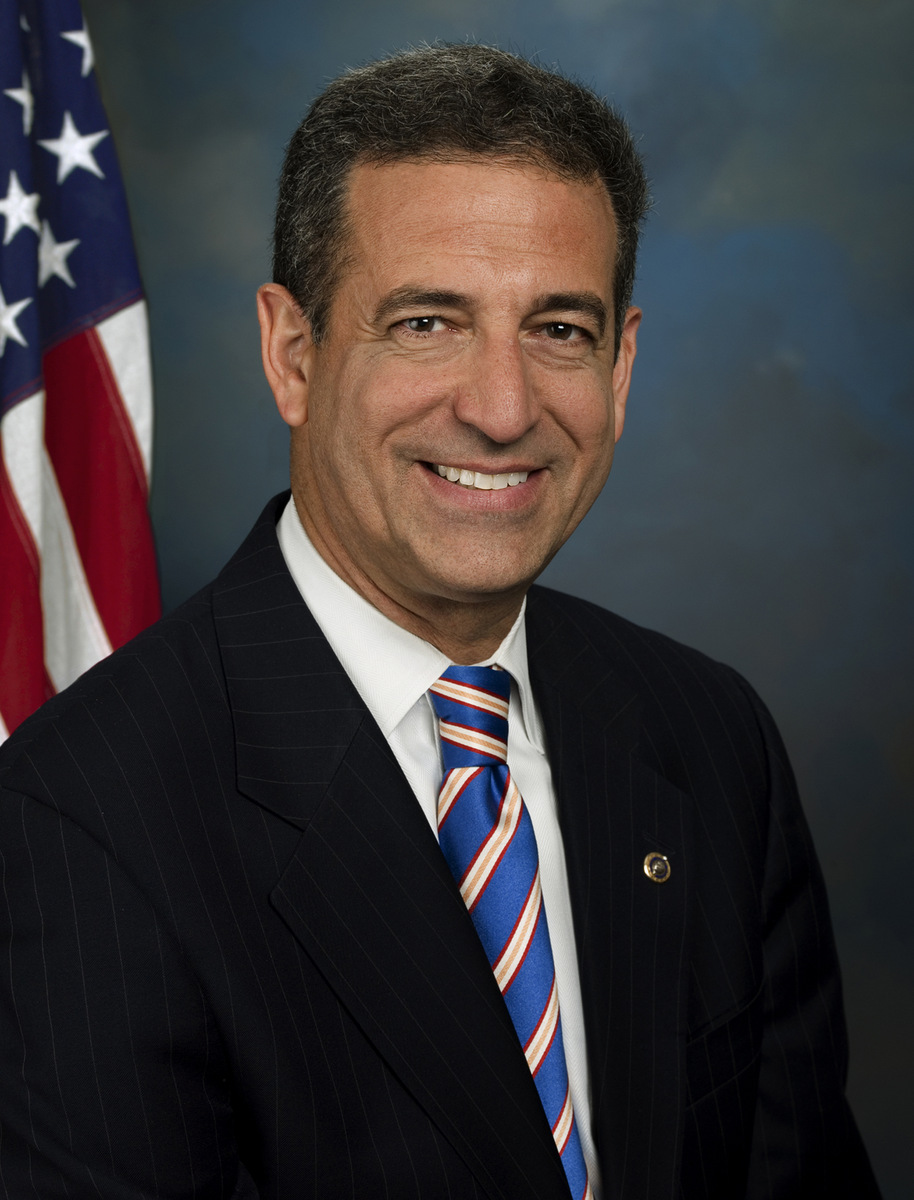 The University has announced today that Russell D. Feingold will join us as Visiting Professor of Law. In addition to noting this announcement, I wish to elaborate briefly upon my decision to appoint Sen. Feingold.
Let me begin with his background. Sen. Feingold is a member of Phi Beta Kappa, a former Rhodes Scholar, and an honors law graduate of both Oxford University and Harvard University. He practiced law for six years with two leading Wisconsin law firms, Foley & Lardner and LaFollette & Sinykin. Sen. Feingold served for ten years in the Wisconsin Senate and eighteen years in the United States Senate, with the latter service concluding earlier this week, after his loss in the November election. He is known for his studious approach to the complex issues before the United States Senate, and particularly before the Senate’s select committee on intelligence and committees on the budget, foreign relations, and the judiciary. Sen. Feingold’s expertise and experience in a range of important legal fields will provide the basis for an upper-level elective course, Current Legal Issues: The U.S. Senate, which he will teach in the spring semester at the Law School. In addition to his teaching, Sen. Feingold will be working on a book concerning issues of the day.
On topics ranging from financing of political campaigns to civil liberties in an age of international terrorism to America’s engagement in Afghanistan, Sen. Feingold has been forthright, thoughtful, and independent. While I do not doubt that some of his views are controversial, or, still less, suggest that all of them are right, an institution of legal education is especially well suited to explore multiple dimensions of such issues. Thus, I believe that Sen. Feingold is almost uniquely well-positioned to contribute to discussion of numerous legal issues at Marquette Law School, through both teaching and writing. This is especially so because, throughout my discussions with Sen. Feingold, I was impressed with the commitment and seriousness with which he approached the role of professor. I am grateful that he will be with us for a time. I hope that you will join me in welcoming Professor Feingold.
 The University