
Confrontation Avoidance? Part I: A Good Article to Read While Waiting
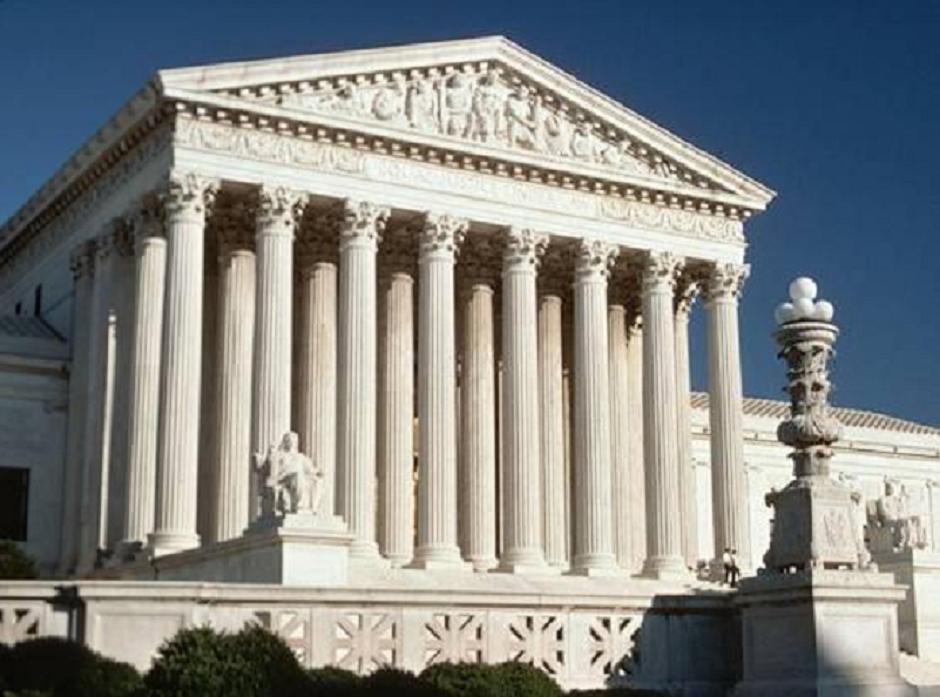
Like nearly every criminal lawyer, I eagerly await – and wait and wait – for the Supreme Court’s long overdue decision in Melendez-Diaz v. Massachusetts (07-591), the only case outstanding from the Court’s November sitting (per SCOTUSBLOG). The case addresses the prosecution’s use of crime laboratory reports against the accused without testimony by the person who performed the analysis and wrote the report. We need not get bogged down in the constitutional niceties at present, if only because its delayed appearance renders the case’s auguries especially hard to read.
So while we wait for a case that is certain to affect a staggering percentage of criminal cases, both pending appeal and awaiting trial, I highly recommend J. Thomas Sullivan’s timely article, Crawford, Retroactivity, and the Importance of Being Earnest, 92 Marq. L. Rev. 231 (Winter 2008). To grossly oversimplify things, in 2004 the Supreme Court held its nose and unceremoniously dropped 25 years of case law (and countless law review articles) into law’s dumpster. The discarded doctrine loosely regulated the prosecution’s use of hearsay under the Sixth Amendment’s confrontation clause; its flaccid “reliability” approach had green lighted nearly all forms of hearsay imaginable (and then some).
 In my third year of law school, the speaker at our law review banquet was a Boston Globe reporter who talked about a book he was writing on the Robert Bork confirmation battle. I didn’t pay much attention to his speech, other than to complain loudly to all within hearing that a judge would have been a much more prestigious invitee than a reporter. Ethan Bronner’s book, Battle for Justice, came out the following year and has since been recognized as a classic treatment of the modern Supreme Court nomination process.
 The Supreme Court managed to reach a unanimous decision today in a death penalty case,