Responding to Racial Disparities in the Criminal Justice System
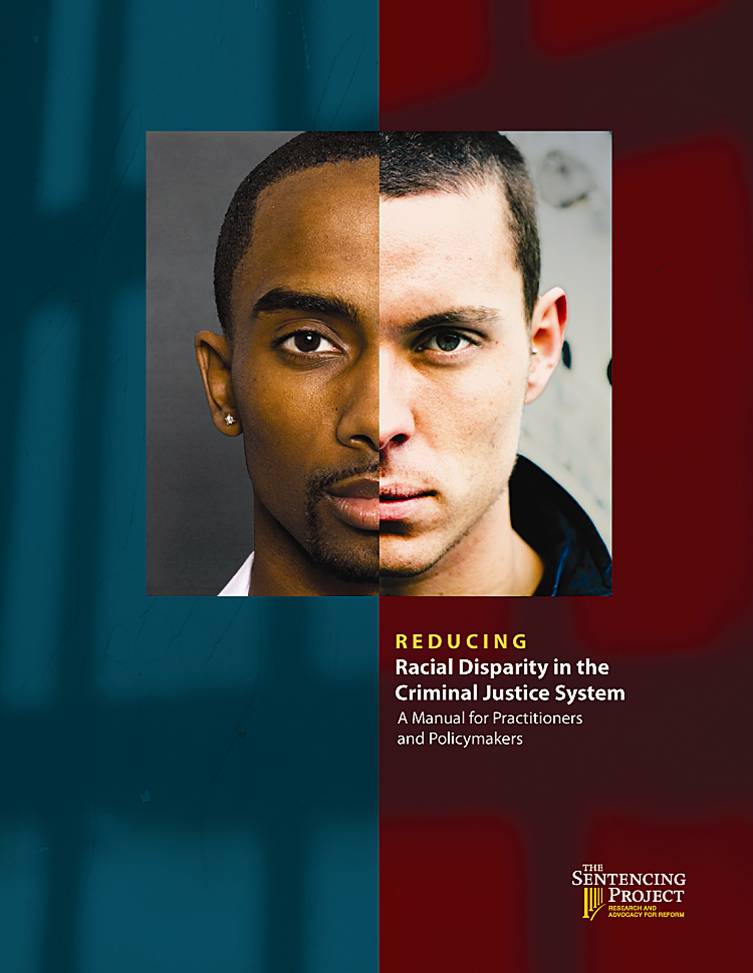 The Sentencing Project has just published a new edition of Reducing Racial Disparity in the Criminal Justice System, a manual for policymakers that describes numerous best practices for addressing disparities. This publication should be of particular interest in Milwaukee and Wisconsin, which have some of the worst criminal justice disparities in the nation. As The Sentencing Project described in a May publication, blacks in Milwaukee are seven times more likely than whites to be arrested for a drug offense, the second-highest such disparity among the forty-three major American cities analyzed. Similarly, a state-level analysis by Human Rights Watch determined that blacks in Wisconsin are forty-two times more likely than whites to receive a prison term for a drug conviction, the highest such disparity among the thirty-four states studied.
Of course, to say that there are racial disparities is not to say the disparities are necessarily unwarranted. For instance, if it turned out that blacks committed serious drug crimes more frequently than whites, then at least some of statistical disparities might be warranted. Still, the magnitude of the racial disparities in Milwaukee and Wisconsin is so high, particularly in comparison to national norms, that there is good reason to believe we do indeed have a serious problem.