
Second-Class Treatment of Criminal Defense Lawyers
 Currently before the State Legislature are bills regarding the State Public Defender private bar appointment rate. Currently the rate is $40 per hour (the lowest in the nation), but the bill is proposing to raise the rate to $70 per hour. Recently a petition to the Wisconsin Supreme Court attempted to get the Supreme Court to raise the private bar rate of the public defender to $100 per hour. While the Supreme Court acknowledged the current rate as woefully inadequate, it did not take action regarding the public defender appointed rate, although it did raise the court-appointed rate effective next year to $100 per hour for all court-appointed lawyers.
The issue regarding the lack of attorneys willing to take SPD appointments to represent the indigent has picked up significant media attention and has prompted one lawsuit. The discussion that the State is failing to fulfill constitutional obligations to its citizens is important. Why did it take a “constitutional crisis” to reach this point? The criminal defense attorney is not just politically unpopular but can often be viewed as a reason elections have been lost.
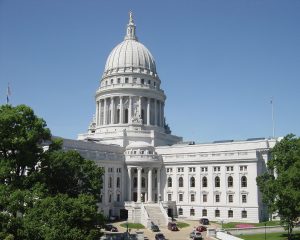 On December 14, 2018, outgoing Wisconsin Governor Scott Walker signed into law three bills that were rapidly passed by the Republican-held state legislature during an extraordinary session following the November 7, 2018 election that resulted in Democrats winning each statewide elected seat. Along with serving various other goals of the Republican legislative majority, the trio of so-called “lame duck” laws were designed to curb the powers of incoming Governor Tony Evers’ administration before he took office in the following ways:
 A Warren Court cornerstone has been “remastered and upgraded,” as they say, by the Wisconsin Supreme Court in a case that has riled the waters nationally. In Brady v. Maryland (1963), the Warren Court held that prosecutors must disclose exculpatory evidence to the defense. No hiding the ball. Over fifty years of case law, however, has occluded the rule with sundry conditions and qualifications that obscure its modest disclosure provision. More time is spent describing the ball than looking for it.