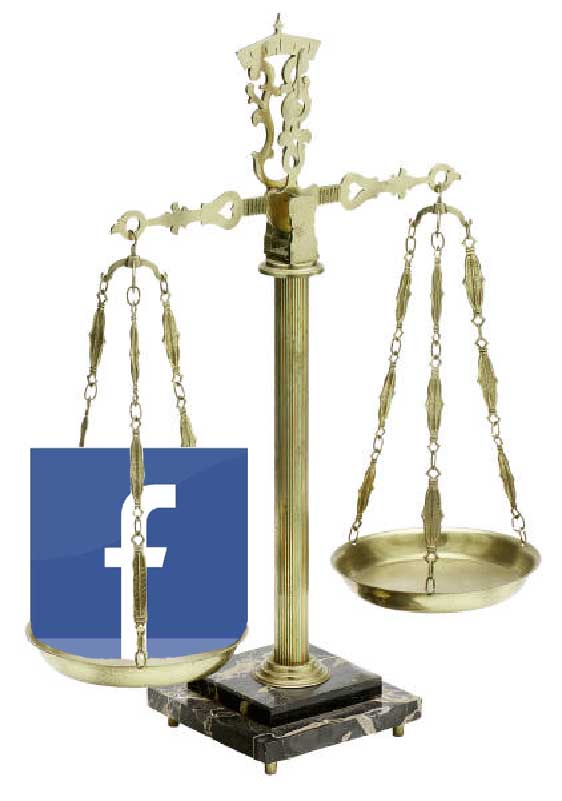
 Let’s say you’re the plaintiff in a civil case against a neighbor, an employer, or a company you’ve done business with. One of the many pains of litigation is the discovery process–the process whereby each side collects information that it believes will help it win the case. Discovery can come in many forms, such as conducting depositions (sworn testimony from witnesses), requesting documents, or even requesting permission to visit a site and look around.
But let’s say that you have a Facebook account. The other side believes that some of your Facebook communications might be relevant to the case, so they specifically request access to your account. You refuse, and the issue goes to the court to sort out (if you’re in federal court, under Rule 37, for those of you playing at home). How should the court rule? Specifically, what should the court order you to do? Do you have to give the password for your account over to a party that, to put it mildly, you are probably not on the best of terms with?
Surprisingly, at least one court has said yes [Update: see comments below], and I believe similar requests are being made in courts all around the country. I believe this is a deeply disturbing development and is the result of either a failure to understand social networking technology, the rules of civil procedure, or both.

 This week, in somewhat belated celebration of the commencement of another term of the U.S. Supreme Court, we will be doing another of our special series: Marquette Law faculty members will be posting about the most important Supreme Court case in a subject that they teach. First up later today will be Paul Secunda, who will be writing on the most important Supreme Court case in the area of public employment law.
 This week we’re doing a two-part entry in our “Best of the Blogs” series. This post will cover last week’s developments. Part II will carry us up to the present.