
Challenging Wisconsin’s Proposed Windows Legislation
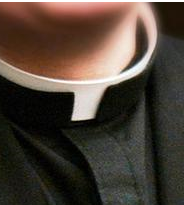 The deeply unsettling and appalling nature of the Catholic priest abuse scandal is difficult to express in hyperbole. More and more cases continue to come out of the woodwork, and stories abound of allegations of cover-ups and throwing around hush money to abuse victims, all incited by those charged with the sanctified duty to guide, teach, and counsel the faithful. Words alone cannot encapsulate the scarring that this scandal has wrought on its many victims. Even a pastor at my parish told the congregation when the scandal first came to light that the news left him “ashamed to be a priest.”
In the wake of such grizzly conduct, however, is the need to address how to remedy the problem. For some victims of abuse, the solution is a day in court: a chance to bring a civil action for a public determination of liability and an order of compensation for the wrong.
But under current Wisconsin law, the statute of limitations has already barred many of these abuse suits. Section 893.587 of the Wisconsin Statutes provides that a victim of sexual abuse as a child may bring an action until that victim turns 35 years old; at that time, the cause of action evaporates. The statute covers a cause of action for clergy abuse under Section 895.442(2)(a) of the Wisconsin Statutes.
 One of the recent challenges for Civil Procedure profs has been to explain the Twombly/Iqbal event to students already struggling to understand what often seems to be an arcane and highly contrived subject.
 A bit overshadowed by all the hubbub over the