
Bullying in Schools–Teaching Respect and Compassion Through Restorative Processes
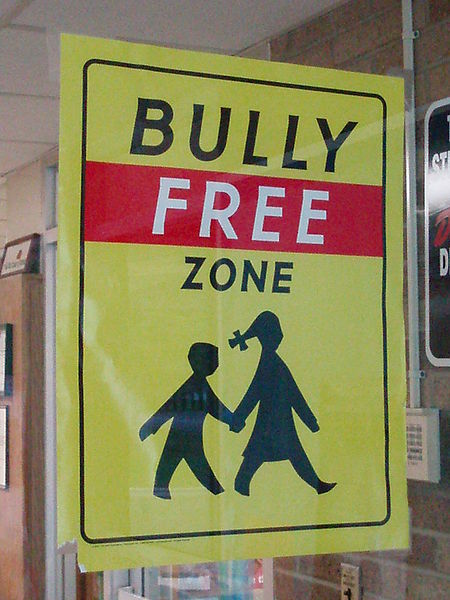 All too often, we see and hear people trying to intimidate others-whether it involves politics, religion, driving habits, employment, sports, family or any other topic that creates conflict. Rather than civil and respectful discourse on tough topics, many routinely call each other derogatory names and describe the other as “evil,” “Hitler-like” “self-centered,” etc. We see physical violence and harassment occurring regularly in schools, places of employment and even on our highways. Finally, the language people use on talk shows or in e-mails, blogs, and even tweets often is designed to intimidate, ridicule and even destroy those with whom the speaker or writer disagree. I consider that this conduct to be an attempt at “adult bullying”…trying to “win” an argument by physically or verbally attacking others who in good faith see a situation or issue differently.
For the last four years, the Marquette Law School Restorative Justice Initiative (RJI) has held very successful annual conferences on topics involving victims and restorative justice, the international application of restorative justice and two conferences on creating safe streets through restorative justice. Last year when the planning committee for our 2009 (RJI) conference met, we decided to focus on restorative practices that address bullying because many schools were asking our assistance in creating approaches to address a serious problem of bullying in both elementary and high schools. On November 10, we will present our “Bullying in Schools–Teaching Respect and Compassion Through Restorative Practices” conference at the Marquette University Alumni Memorial Union. Not surprisingly we “sold out” all 350 seats at the conference. Students, parents, teachers and social workers continue to struggle with how to address instances of student bullying through physical and verbal abuse not to mention the terrible phenomenon of what is happening on the Internet including the sending of nude student pictures to others. Our conference is designed to help people learn of better ways to promote respectful and civil dialogue in our schools.
Dr. Brenda Morrison, our keynote speaker, describes bullying in the school context this way:
 Unfortunately, business is booming when it comes to foreclosure problems in Wisconsin. Fortunately, the Milwaukee Foreclosure Mediation Program is succeeding at helping a growing number of those problems end with people keeping their homes and financial institutions satisfied with new arrangements.