
How Do Judges Decide Which History Counts?
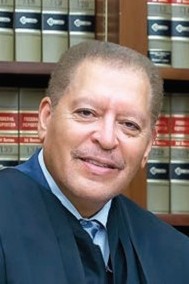
This essay is a guest contribution to the Marquette Law School Faculty Blog by the Hon. James A. Wynn, L’79, judge of the U.S. Court of Appeals for the Fourth Circuit.
Originalism has quietly transformed one of the judiciary’s central responsibilities. Judges are no longer asked merely to interpret constitutional text and precedent. Increasingly, they are asked to resolve contested questions of professional history—and their historical judgments often determine the scope of constitutional rights.
That transformation raises institutional questions that deserve far more attention than they have received. In particular: How do judges decide which history counts? Or how should courts go about determining relevant history?
Two Supreme Court decisions this past summer, in June 2026, highlight the crux of the problem.
In the birthright citizenship case, Trump v. Barbara, Justice Clarence Thomas penned a dissent which ostensibly presents an extensive historical argument supporting its interpretation of the Fourteenth Amendment’s citizenship clause as one narrowly tailored to restoring the rights of former slaves. But Justice Ketanji Brown Jackson’s concurrence surveyed that same history and rejected it as a “narrow vision of the Fourteenth Amendment [that] bears little relationship to the history of its ratification.”