
California Answers Some of the Graham/Miller Questions, Sort Of

As I discussed in a recent post, the United States Supreme Court left many questions unanswered in its two recent decisions on life without parole for juveniles.  In the first case, Graham v. Florida (2010), the Court banned LWOP for juveniles convicted of nonhomicide offenses.  Then, in Miller v. Alabama (2012), the Court banned mandatory LWOP even for juveniles convicted of homicide.  These were important Eighth Amendment decisions, but the lower courts have been left to implement them without much guidance.

Yesterday, the California Supreme Court began to address some of the unanswered questions in People v. Caballero.  I think Caballero got things right, as far as it went, but the case left much open for future litigation. 
Continue ReadingCalifornia Answers Some of the Graham/Miller Questions, Sort Of

Gu Kailai Trial and China’s Rule by Law

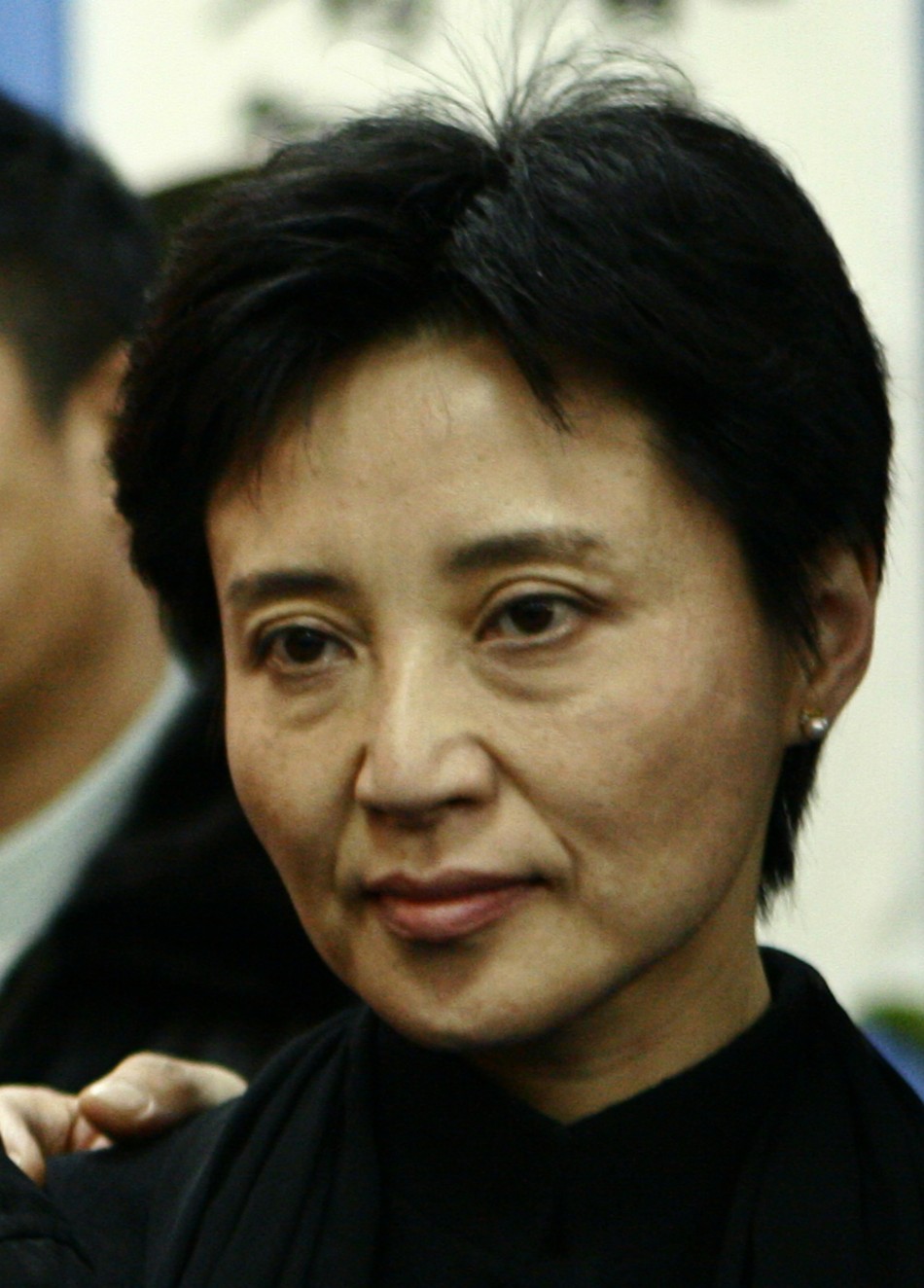
On Thursday, August 9, 2012, in China’s Anhui province, the murder trial of Gu Kailai, wife of a high-profile former Communist Party official, for the murder of British businessman, Neil Heywood, ended after seven hours. The trial is regarded as the highest profile political trial in decades, Gu Kailai being the wife of disgraced former Communist Party official Bo Xilai.

Heywood, a family friend of Gu and Bo, was found dead in his Chongqing hotel room in November 2011, the morning after dining with Gu. The trial has garnered international attention, with many China law scholars asking what light the proceedings shed on China’s purported pursuit of a law-based society (法治国家).

Continue ReadingGu Kailai Trial and China’s Rule by Law

Ice Gets Iced

Earlier this summer, in Southern Union Co. v. United States (No. 11-94), the Supreme Court seemed to reverse course yet again in its on-and-off revolution in the area of jury-trial rights at sentencing.  The revolution began with Apprendi v. New Jersey (2000), which held that a jury, and not a judge, must find the facts that increase a statutory maximum prison term.  The revolution seemed over two years later, when the Court decided in Harris v. United States that no jury was required for mandatory minimum sentences.  But, another two years after that, in Blakely v. Washington, the revolution was back on, with the Court extending Apprendi rights to sentencing guidelines.  Blakelywas especially notable for its hard-nosed formalism: Apprendi was said to have created a bright-line rule firmly grounded in the framers’ reverence for the jury; we are not in the business, declared Justice Scalia for the Blakely majority, of carving out exceptions to such clear rules in the interest of efficiency or other contemporary policy concerns.

Then came Oregon v. Ice in 2009, which seemed to signal that the Court had again grown weary of the revolution.  

Continue ReadingIce Gets Iced