
Connecticut Abolishes the Death Penalty

The campaign to end the death penalty received a boost last week when Connecticut decided to abandon the use of capital punishment.  Connecticut is the fifth state in the last eight years and the seventeenth state overall to do away with capital punishment.

Repeal proposals are being debated in Kansas and Kentucky, and anti-capital punishment groups have also succeeded in getting the issue directly to the voters of California.  An initiative to end capital punishment will be on the California ballot this coming November.

Of course it will take some time before capital punishment is ended in Texas and in assorted states in the Deep South.  But one can be more optimistic than ever before that the United States will eventually end capital punishment. Its continued use is an embarrassment for the nation in the world community.

How irrational, primitive, and bloodthirsty champions of capital punishment seem to this observer.  There is no credible evidence that the possibility of capital punishment has a deterrent effect.  Eye-for-an-eye thinking seems a remnant of Biblical times, if not earlier.  And a genuine and abiding respect for humanity precludes killing even the worst of the wrongdoers among us.
Continue ReadingConnecticut Abolishes the Death Penalty

Prof. O’Meara on Stand Your Ground

With the Trayvon Martin case drawing national attention to self-defense law, our own Professor O’Meara has a New York Times op-ed on Stand Your Ground laws.  He argues that the laws are unnecessary because traditional self-defense law provides ample protection for defenders who use lethal force appropriately.  He observes:

In my home state of Wisconsin, a large group of criminal prosecutors, defense attorneys and judges could come up with only one case in which any homeowner was prosecuted when he shot someone who entered his home illegally. That conviction was later overturned.

Stand Your Ground laws may thus add little to the protection of individuals who act reasonably, but they risk impeding the prosecution of others who are too quick to resort to deadly force.

Continue ReadingProf. O’Meara on Stand Your Ground

James Q. Wilson and Broken Windows Policing

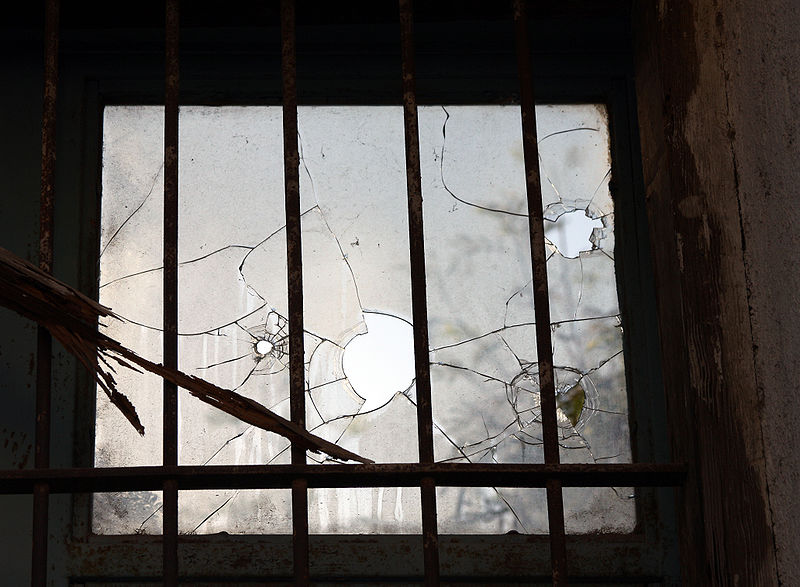
Media coverage of the death of conservative political scientist James Q. Wilson on March 2 correctly identified him as the originator of “broken windows policing” and blithely assumed such policing had been successful. Ross Douthat’s column in the New York Times of March 4, for example, said that Wilsonian policing had resulted in “the low crime rates that have made urban areas from Portlandia to Brooklyn safe for left-wing hipsters and Obama-voting professionals alike.”

The basic premise of “broken windows” policing is that criminals are encouraged when neighborhoods look decayed. However, if police crack down on such things as broken windows, public urination, graffiti, panhandlers, and prostitutes, neighborhood pride is restored and residents are more likely to stand up against crime. Eventually, the theory goes, criminals will get the message and give up their nefarious ways.

Continue ReadingJames Q. Wilson and Broken Windows Policing