
COVID-19 and American Ageism
This post was written by Dr. David Papke and Dr. Elise Papke.
In periods of social strain, assorted societal biases are more likely to come in play. That seems to be the case with American ageism, and as a result it has become even harder than before to be an older American.
Ageism is a multifaceted phenomenon that includes micro-aggression, inattentiveness, harmful stereotypes, and, of course, bias and discrimination. Ageist people often claim that they are trying to help seniors or that they are only joking. Seniors usually see through this, but ageism nevertheless leaves many feeling inferior or even worthless.
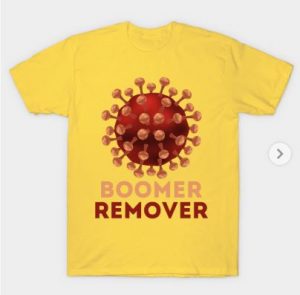
One example of ageist rhetoric that has surfaced in the midst of the pandemic is “Boomer Remover.” Offensive and even a bit frightening, this meme or catchphrase refers to and implicitly endorses the notion that the virus will reduce the number of annoying Baby Boomers.
For some time now, Baby Boomers have been thought to be a drain on society’s resources, especially because of their uninsured medical expenses and need for financial support.
 When lawyers think about working with clients who have addictions, we often imagine clients who are young or middle-aged and facing legal consequences such as criminal charges for drug possession or for driving under the influence of alcohol or another drug. But not every person struggling with addictions is young, in trouble with law enforcement, or even using substances in a visible way that signals addiction to family members or professionals.