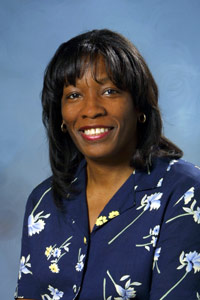
A Jewel in Our Midst
Throughout the history of legal education, there has been a consistent call for greater levels of experiential learning and especially clinical education in the law school curriculum. This call has received renewed strength in the Carnegie Report released in 2007. It reminds us again of the importance of building skills for lawyering, for serving as counselors to those who seek our assistance.
Marquette University Law School, for over thirteen years, has been polishing a gem that provides our students with a rich opportunity to some of the very skills required to be an effective lawyer (you might remember the list from the first blog…communication, listening, writing, negotiation and time management, to list only the top five survey responses). This gem is the Small Claims Mediation Clinic.
The Small Claims Mediation Clinic is housed in the Milwaukee County Courthouse and provides pro se litigants an opportunity to access student-led mediation services in an effort to resolve the disputes themselves. This program was the brainchild of former Wisconsin Supreme Court Justice Janine Geske and I have had the honor and privilege to work with Janine at the Clinic for several years and have served as the faculty member for a number of semesters.

Marquette University Law School is fortunate to welcome this week the Hon. Jeffrey S. Sutton of the U.S. Court of Appeals for the Sixth Circuit. Judge Sutton will deliver our annual Hallows Lecture on Tuesday, February 28, at 4:30 p.m. in the Appellate Courtroom of Eckstein Hall. His lecture, titled “Barnette, the Roosevelt Appointees, and the Progressive Embrace of Judicial Review,” focuses on Board of Education v. Barnette, the U.S. Supreme Court’s 1943 decision holding that the First Amendment protected students unwilling on religious grounds to salute the American flag. The 6-3 decision overturned Minersville School District v. Gobitis, a 7-2 decision only three years earlier. Appointees of Franklin D. Roosevelt were central in this drama: Robert H. Jackson wrote for the Court in Barnette, over the dissent of Felix Frankfurter, who had authored Gobitis but found himself abandoned by William O. Douglas and Hugo L. Black. Judge Sutton will discuss how this reversal of course happened so quickly and why it marked a turning point away from the progressive opposition to many forms of judicial review. The lecture is free and open to the public (