Why the Permit Policies in the U.S. Capitol Are Irrelevant
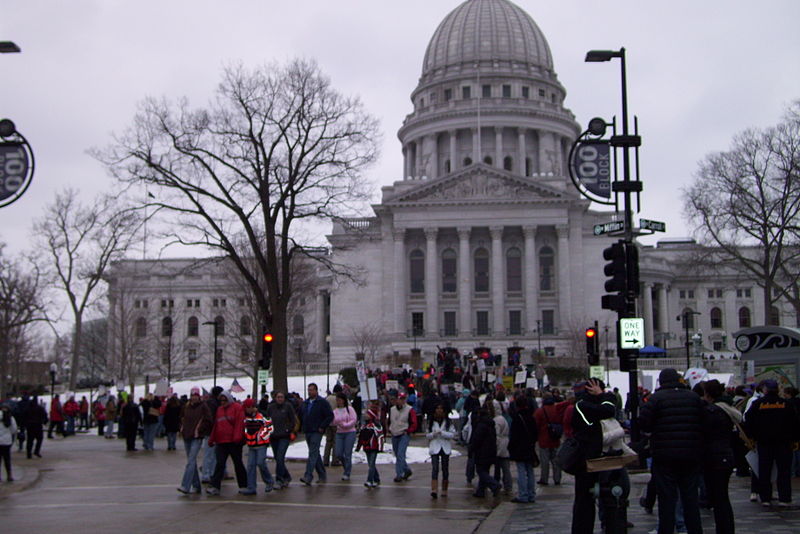
 Confusion continues over the new Department of Administration rules announced December 1 which require advance permits for many demonstrations held within the Wisconsin State Capitol. Among the more controversial aspects of the policy are its applicability to small groups of protestors and the discretion granted to the State Capitol police to require permit seekers to pay security costs in advance. I have already written about the manner in which this policy goes too far, and how it impermissibly infringes upon the First Amendment rights of protestors.
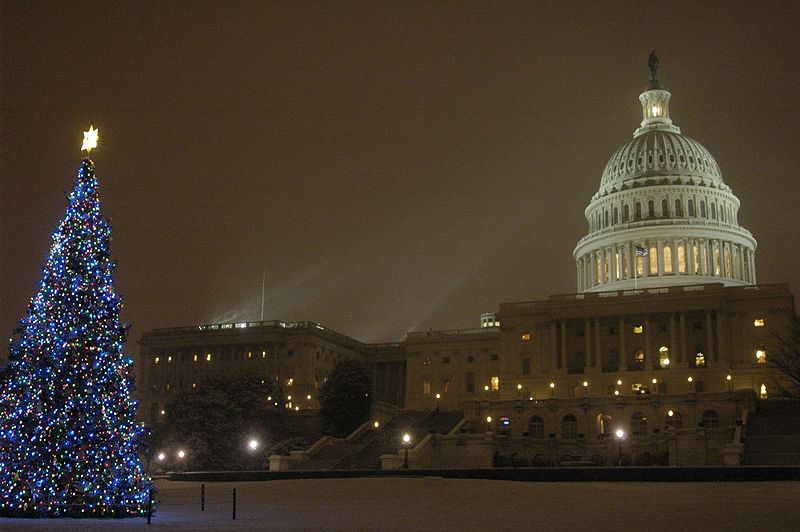
One response to the criticism of the new DOA policy has been to compare the DOA policy to the rules governing demonstrations at the United States Capitol building. At first reading, it appears that protestors are completely banned from the United States Capitol building under guidelines issued by the United States Capitol Police. Those guidelines state that “demonstration activity is prohibited and will not be permitted inside any Capitol buildings.” You can read the U.S. Capitol Police policy here.
At a recent forum to discuss the new DOA policy, one participant asked, if the U.S. Capitol Police can ban demonstrations altogether within their building, why can’t the Department of Administration impose restrictions in the State Capitol building that are something less than a complete ban? The simple answer to this question is that the U.S. Capitol building is not considered a public forum, while the Wisconsin State Capitol is.