
Does the Legislature Lack the Power to Revise the Redistricting Law?
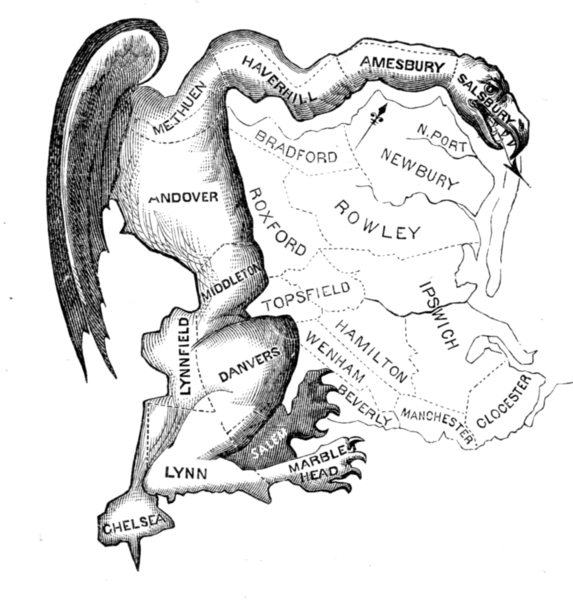 Republican lawmakers have asserted that they have no power to re-draw the election maps at issue in the ongoing Baldus v. Brennan litigation in federal court, despite a suggestion from the three judge panel hearing the case that the legislature make revisions to the law. The 1954 Wisconsin Supreme Court opinion that these lawmakers cite for this proposition does not decide the issue, and the unique factual situation of that case does not correspond to the present situation. In a familiar pattern, it appears that the fierce litigation between state Republicans and Democrats threatens to pull the courts deep into uncharted waters.
The Wisconsin Constitution provides:
“At its first session after each enumeration made by the authority of the United States, the legislature shall apportion and district anew the members of the Senate and Assembly, according to the number of inhabitants.”
(Article IV, Section 3).
In plain English, the legislature must pass a redistricting bill in the first legislative session after the federal census. Once it does so, the general rule is that a valid apportionment law may not be replaced with a law creating new districts until the time of the next census. Of course, if the legislature’s redistricting legislation violates the state or federal constitutions, it is not valid and the legislature must pass a new apportionment bill. The three judge panel in the Baldus case may rule the maps invalid, but it suggested that the legislature might consider passing a new redistricting plan rather than proceed to trial.