
The Unprofessionals
In the decade after the American Civil War, Congress ratified three Amendments (the Thirteenth, Fourteenth, and Fifteenth) and passed five civil rights statutes (the Freedmen’s Bureau Act of 1866, the Civil Rights Act of 1866, the Civil Rights Act of 1870, the Civil Rights Act of 1871, and the Civil Rights Act of 1875) in an attempt to integrate African Americans into society and provide them with the full rights and privileges of citizenship. From rights to vote, hold property, and contract, to rights of access to the courts, public infrastructure, and the marketplace, these enactments represented a dream of reconstruction that strove toward a more universal application of the ideals of the Declaration of Independence. In striking down and interpreting these laws, the decisions of the Supreme Court played a crucial role in curtailing the promise of this older civil rights movement. The Court’s undermining of the laws led to the legal segregation, discrimination, terrorizing, denial of due process, lynching, murdering, exploitation, and injustice that characterizes the African American experience in the century that followed.
The highlight reel that we all study in Constitutional Law class includes:
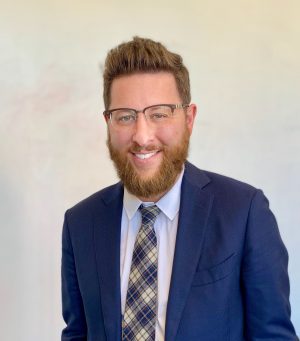 Our alumni guest blogger for the month of November is Joe Riepenhoff, L’14, who is appearing for a return engagement, having been a student guest blogger back in October 2012. While at Marquette, Joe was a student advisory board member for the Marquette Volunteer Legal Clinic, an intern for the Waukesha County Circuit Court criminal division judges, and research assistant for Prof. Daniel Blinka. Since graduating he has worked as a staff attorney for the Wisconsin State Public Defender Office, a conflicts analysts at Foley and Lardner, and is now a