A Jewel in Our Midst

Throughout the history of legal education, there has been a consistent call for greater levels of experiential learning and especially clinical education in the law school curriculum. This call has received renewed strength in the Carnegie Report released in 2007. It reminds us again of the importance of building skills for lawyering, for serving as counselors to those who seek our assistance.

Marquette University Law School, for over thirteen years, has been polishing a gem that provides our students with a rich opportunity to some of the very skills required to be an effective lawyer (you might remember the list from the first blog…communication, listening, writing, negotiation and time management, to list only the top five survey responses). This gem is the Small Claims Mediation Clinic.

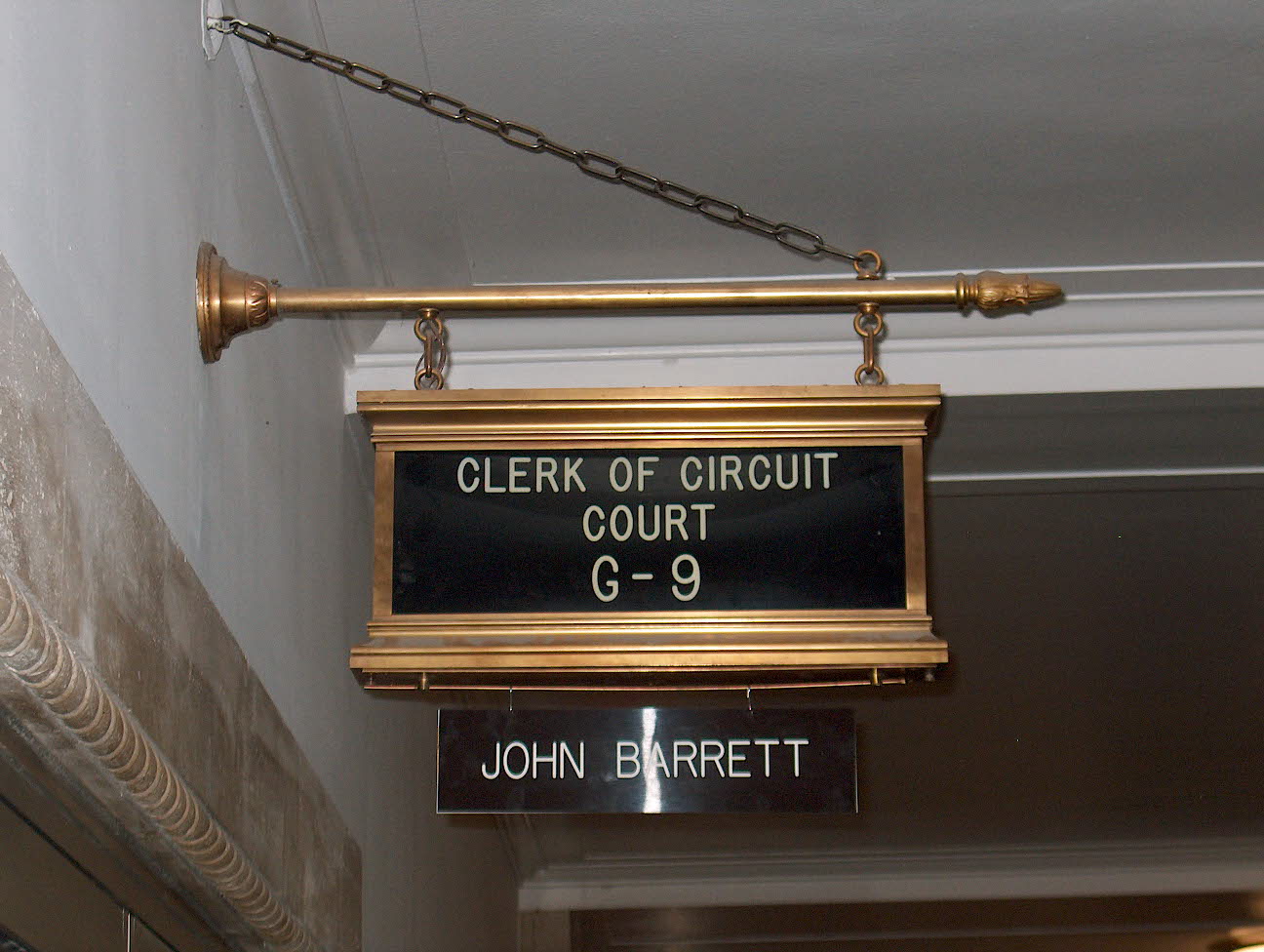
The Small Claims Mediation Clinic is housed in the Milwaukee County Courthouse and provides pro se litigants an opportunity to access student-led mediation services in an effort to resolve the disputes themselves. This program was the brainchild of former Wisconsin Supreme Court Justice Janine Geske and I have had the honor and privilege to work with Janine at the Clinic for several years and have served as the faculty member for a number of semesters.

Continue ReadingA Jewel in Our Midst

Restorative Justice Skyping From Milwaukee to Austin

As a law school educator, I am not particularly known for my use of high-tech electronic equipment. I much prefer teaching through direct storytelling and student participation. I simply like to make direct eye contact with people with whom I am talking. However last Saturday I had the wonderful experience of combining my storytellling/interactive teaching and Skype with a restorative justice class at the University of Texas at Austin. Dr. Marilyn Armour, a restorative justice scholar who teaches a course which is offered to both law students and social work students, asked me to talk to her weekend class.

Most people who know me will tell you that if you ask me to speak about our MULS restorative justice work, I have a hard time saying no. That being said, I still wondered how it was going to go, trying to teach a class long distance through a computer. Having traveled internationally, I have used Skype before . . . but I have never used it to teach a class. I was amazed how well it worked. Some of the law students asked really great questions about how to incorporate restorative justice into the criminal justice system and the corporate world. A social work student asked about ways she could utilize these processes in her future work. I could see the entire class. Although it was 4:00 p.m. on a Saturday afternoon, I am happy to report that they all appeared to stay awake and fully engaged in the discussion. And I had the ease of teaching the class from my bedroom (I did dress up since they could see me as well.)

I am still not convinced that “long-distance learning” can replace the value of students and teacher being in the same room with each other; there is something about that personal interaction including the casual talk that occurs before and after class that leads to important learning and interactions. But this experience has convinced me that electronic communications can enhance and supplement our traditional teaching in exciting (and inexpensive) ways.

Continue ReadingRestorative Justice Skyping From Milwaukee to Austin

A Good Year for Marquette, But Not So Good for Legal Education

With the completion of the first full calendar year in Eckstein Hall, the establishment of the Law School as a premier center for public policy debates in Wisconsin, and the announcement of the Marquette Law School Poll, 2011 was a banner year for the Marquette Law School. The same, unfortunately, cannot be said for legal education generally.

Scandals regarding the accurate reporting of employment statistics and student LSAT scores have rocked a number of law schools, and a handful of disgruntled former law students have gone so far as to file suit against their own institutions on the grounds of false advertising. And for the past several months a series of unflattering articles discussing the problems confronting American legal education have appeared in the New York Times, Wall Street Journal, Washington Post, and other prominent periodicals.

An article in the December 26, 2011, National Law Journal entitled “The Year the Chickens Came Home to Roost” sums up what was by any account a bad year for legal education.

Its list of top ten stories of the year for legal education includes:

1. the misreporting of data to the U.S. News and World Report by Villanova and the University of Illinois

2. student lawsuits against the Thomas Jefferson Law School , New York Law School, and Thomas Cooley

3. pending U.S. Senate hearings on the adequacy of the ABA’s oversight of legal education during the past decade

4. a ten-percent decline in the number of LSAT takers and in applications to law school

5. new ABA-dictated rules that require more rigorous and more detailed employment data reporting on the part of law schools

6. the elimination of the four-tier approach to law school rankings by US News

7. deans resigning under pressure at the University of Baltimore, the University of Texas, and the University of Massachusetts-Dartmouth

8. the New York Times’ series of unflattering articles on legal education

9. the ABA proposal to eliminate from law school accreditation standards the traditional requirements that law schools recognize tenure for their faculties and make use of the LSAT in the admissions process

10. the introduction of “therapy dogs” for the purpose of reducing student stress at Yale, Arizona, Richmond, and other law schools.

Apparently the antitrust lawsuit filed on December 22 by the law school at Lincoln Memorial University after it was denied ABA provisional accreditation came too late to make the list.

Continue ReadingA Good Year for Marquette, But Not So Good for Legal Education